
According to “Håll Sverige Rent” (Keep Sweden Clean), there are more than 150 million tonnes of plastic in our oceans. Every year, 5-13 million tonnes of plastic are added. The plastic that ends up in the sea is the biggest environmental problem of our time. The majority of all rubbish found in the sea has been thrown ashore. And most of the plastic that ends up in the sea is disposable packaging and plastic bags. By working together, we can use less plastic and live more sustainably every day.
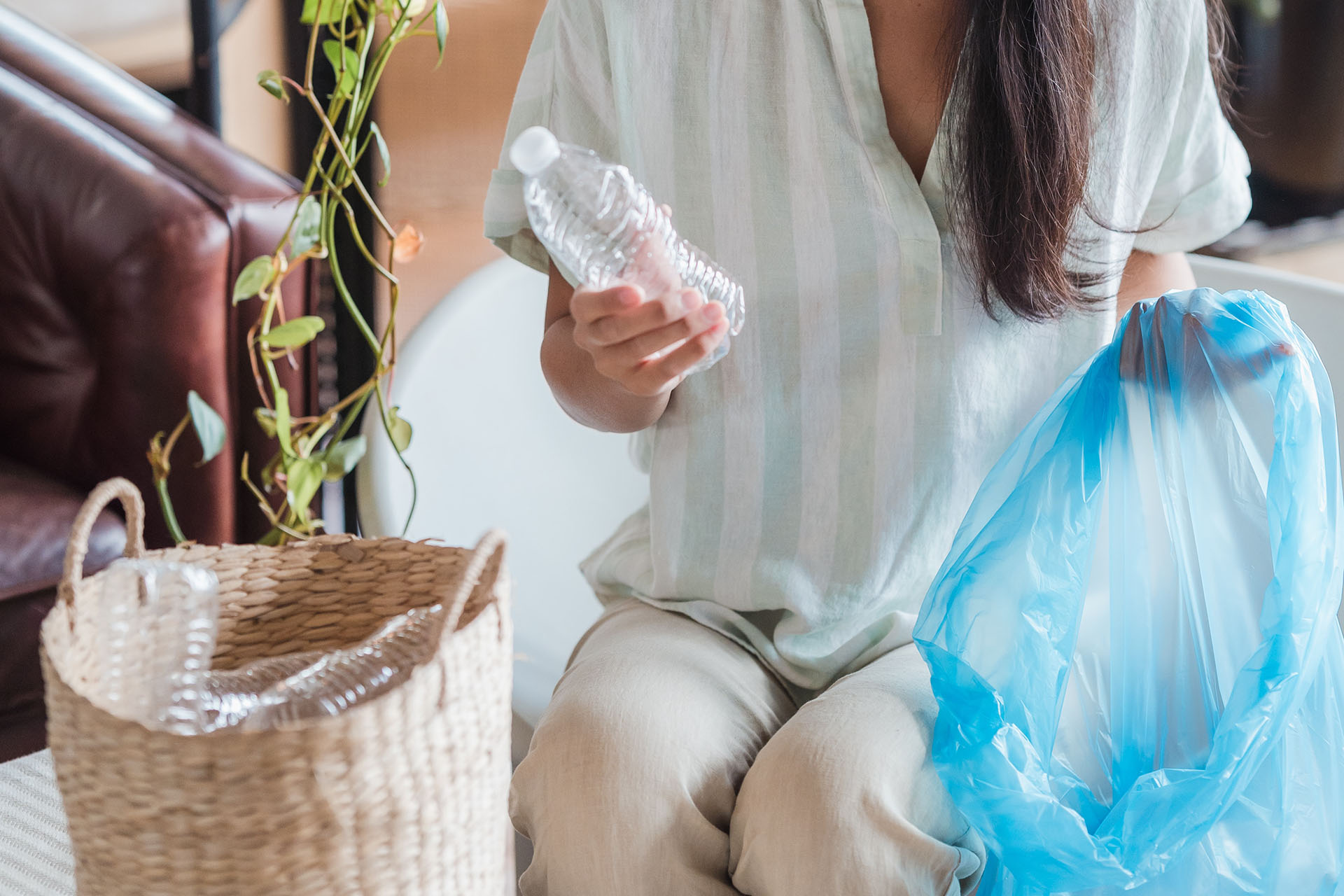
Reduce plastic consumption
Sustainability is close to our hearts. Therefore, we want to help and guide you to a more sustainable lifestyle.
When it comes to climate and environmental issues, many people aske themselves what they as individuals can do. How do I start? How do I reduce my own plastic use? Can I really make a difference?
There are plenty of big and small changes you can make to reduce your everyday plastic consumption. Of course, no one can do everything, but everyone can do something. The most important thing is that you become aware of your actions and start making more conscious choices. Small choices that make a big difference in the long run.
Here are some simple tips on how to reduce plastic use.
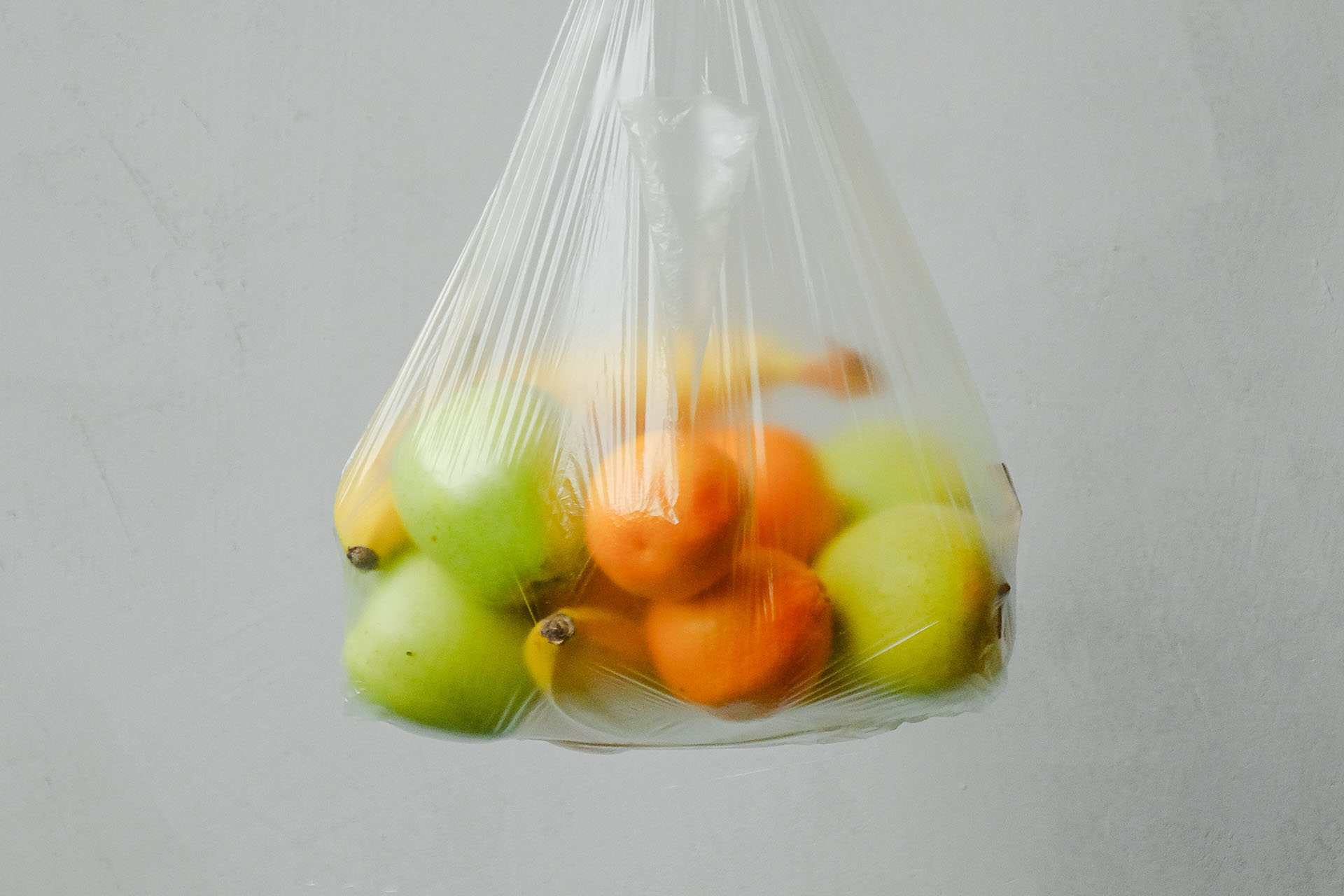
11 tips on how to reduce plastic in your everyday life
Bring your own bag to the grocer’s
Carry your groceries and shopping in a reusable cloth bag that lasts for years.
Buy fruit and vegetable bags
Bring your own reusable bags or organic net bags when you shop for fruit and vegetables.
Air clothes instead of washing them
When we wash synthetic clothes like polyester and fleece, tiny plastic particles enter our seas and lakes. Instead, air the garment and remove individual stains by hand. We often put our clothes in the laundry too often.
Here you can read more about how you can wash your clothes the proper way and make them last longer.
Skip bottled water
Buy a reusable water bottle and fill it with drinking water from the tap. If you like water with bubbles, invest in a carbonation machine. Then just fill up your water bottle and bring it with you.
Wash smartly and skip the softener
Don’t use more detergent than necessary. Many people think that the laundry gets cleaner but that is completely wrong. Also avoid fabric softeners that are both an environmental culprit and an allergen.
Solid soap instead of liquid
Avoid buying liquid soap in plastic packaging, which is then just thrown in the trash. Use a solid soap instead – both for washing your hands and in the shower.
Did you know that cutting your shower by 5 minutes can save up to 60 litres of water? Here you can read more tips for saving energy in your home.
Avoid/reduce disposable plastic
Say no to straws. Bring your own mug for your take-away coffee. Bring your own cutlery or a spork. Avoid plastic bags in stores. Choose fewer products that are wrapped in plastic.
Skip the detergent
Try skipping the chemicals next time you clean. You can go a long way with, for example, lemon, soap, bicarbonate and vinegar. We’ll tell you how here.
Lemon is also perfect for cleaning your cutting board and for removing odour in your fridge.
Replace your plastic utensils
Replace spatulas, ladles, cutting boards, bowls, lunch boxes, and even dish brushes with ones made from wood or stainless steel. But remember not to throw away anything that can still be used.
Are you eager for a quick change in your kitchen? See our inspiration on how you can renew your kitchen in a simple and affordable way!
Beeswax cloth instead of plastic foil
Beeswax cloths are organic cotton fabrics impregnated with beeswax, which is an excellent and environmentally friendly alternative to plastic foil. Use it for everything where you would usually use plastic foil.
Take a bathroom check
Skip hygiene and beauty products that contain microplastics. These can be found in cosmetics, shaving foams, cleaning products, toothpaste and hair products. Review the table of contents and ask the staff in the store for the best environmental choice.
Remember that everything doesn’t have to be perfect from the beginning. Test and see what works for you.