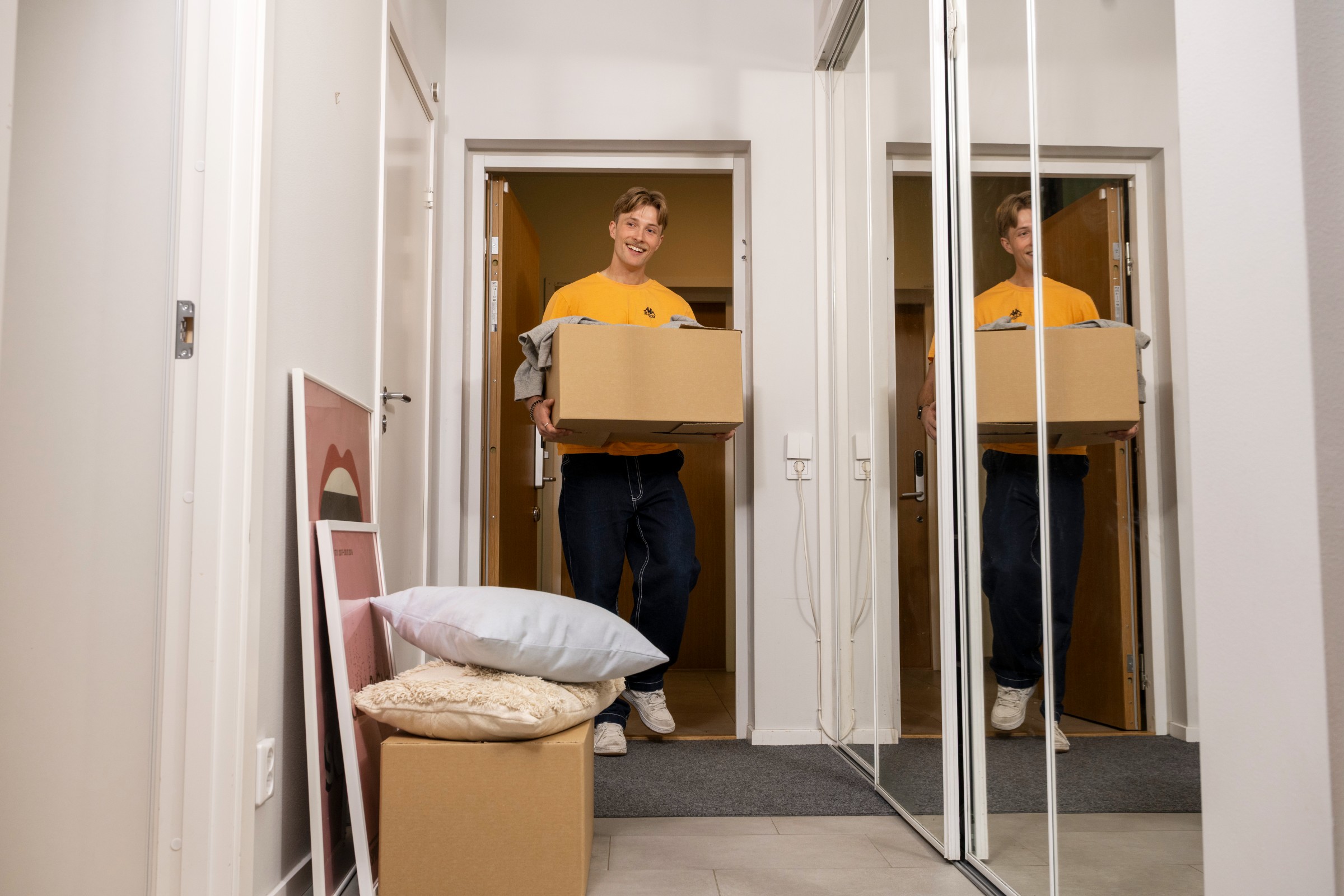
Why packing smart matters when moving house
Packing smart is about more than getting your belongings into boxes. A well-planned move can:
- save time and effort
- reduce the risk of breakages
- help you stay organised
- make moving day less stressful
- make unpacking faster and easier
Poor packing often leads to damaged items, lost essentials, overfilled boxes and unnecessary last-minute costs. Planning helps you avoid all of that.
How long does packing for a move take?
One of the most common questions people ask is: how long does packing to move house take?
How long packing takes varies from move to move. It depends on the amount you own, your level of organisation, and whether you use professional movers. It’s usually best to start packing several weeks before moving day rather than trying to pack everything at once.
Begin with the things you use least, such as seasonal clothes, books, decorations and spare household items. Leave everyday essentials until the very end.
⏳ How long does packing for a move take?
This depends on the size of your home, how much you own and whether you are packing yourself or using professional movers. In most cases, it is best to start several weeks before moving day.
A simple rule is to begin with the items you use least and leave everyday essentials until the end.
| Home size | Suggested packing timeline |
|---|---|
| Studio or 1-bed flat | Start 1–2 weeks before moving day |
| 2–3 bedroom home | Start 2–4 weeks before moving day |
| 4+ bedroom home | Start 4+ weeks before moving day |
✅ Start with a moving house checklist
Before you pack a single box, create a moving house checklist. This helps you stay in control and avoid forgetting important tasks.
Your checklist can include:
- what needs to be packed
- what needs to be thrown away, donated or sold
- which packing supplies you need
- what needs to be cleaned
- which services need to be booked
- hich essentials you will need on the first night
Ticking off tasks as you go is one of the easiest ways to make a move feel more manageable.
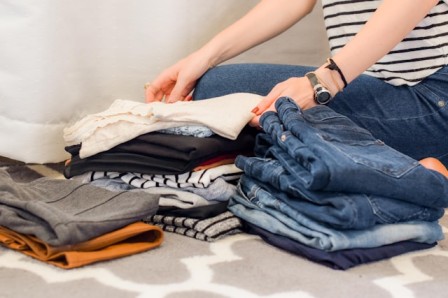
Declutter before moving
Moving house is the perfect opportunity to sort through everything you own and get rid of what you no longer need. The fewer things you move, the easier and cheaper the process becomes.
- Go room by room and ask yourself:
- Have I used this recently?
- Will I use it in my new home?
- Is it useful, valuable or sentimental?
- Does it still suit my style and space?
If not, consider donating, recycling or selling it.
Get the right packing supplies
Having the right packing supplies before you begin will make the process much smoother.
Essential packing supplies for moving house
| Packing supply | What it is used for |
|---|---|
| Sturdy moving boxes | Packing and stacking belongings safely |
| Packing tape | Sealing boxes securely |
| Permanent marker | Labelling boxes clearly |
| Bubble wrap | Protecting fragile items |
| Packing paper or newspaper | Wrapping delicate belongings |
| Blankets and towels | Padding furniture and breakables |
| Zip bags | Storing screws, bolts and small parts |
| Scissors or utility knife | Cutting tape and packing materials |
| Labels or stickers | Sorting boxes by room or priority |
Choose the right box sizes
- Small boxes are best for heavy items such as books
- Medium boxes work well for kitchenware, toys and household items
- Large boxes are better for lighter items such as bedding and pillows
Pack in the right order
🌓 Pack firstStart with items you will not need straight away:
|
🌗 Pack lastLeave these until the final days before the move:
|
Pack one room at a time
Packing room by room helps keep everything organised and makes unpacking much easier.
How to label your boxes properly
Each box should include:
- the room it belongs to
- a short summary of the contents
- whether it contains fragile items
- whether it should be unpacked first
For example, instead of writing Kitchen, write Kitchen – plates, mugs and utensils.
Create a packing inventory
A simple inventory can help you keep track of what you have packed and where everything is.
This is especially useful if you:
- are moving a larger household
- are using a removal company
- want to unpack in a more organised way
You may also want to take photos of electronics, cable setups or flat-pack furniture before taking them apart.
How to pack fragile items safely
Fragile items need extra protection during a move.
Best practice for fragile items
- wrap each item individually
- use bubble wrap, paper or towels for cushioning
- fill empty spaces in the box
- use smaller boxes for heavier breakables
- label boxes clearly as FRAGILE
- keep delicate items on top, never underneath heavier boxes
Packing tips for fragile or special items
| Item type | Packing tip |
|---|---|
| Glasses and mugs | Wrap individually and pad gaps |
| Plates and bowls | Place padding between each item |
| Mirrors and frames | Wrap well and keep upright |
| Electronics | Use original boxes if possible |
| Ornaments and ceramics | Cushion generously and avoid overpacking |
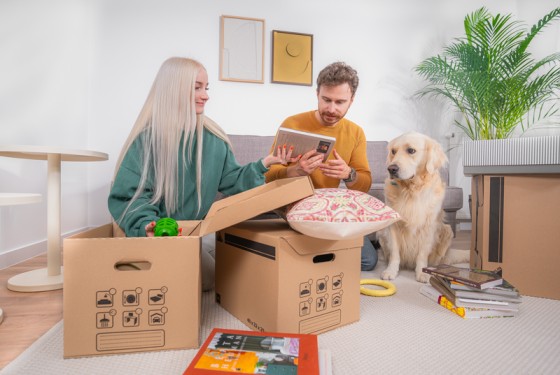
Do not overpack boxes
Heavy boxes are harder to carry and more likely to break.
A good rule is:
- pack heavy items in small boxes
- pack lighter items in larger boxes
- keep the weight manageable
- stack heavier boxes at the bottom
Room-by-room packing tips
🍽️ Kitchen
The kitchen often takes longer to pack than expected.
- Clean and empty appliances before boxing them
- Wrap plates, mugs and glassware carefully
- Use towels or paper to cushion breakables
- Keep one saucepan, one knife and a few basics out until the end
🛁 Bathroom
Bathrooms are usually packed last.
- Seal liquids to prevent leaks
- Pack toiletries in separate bags
- Keep medication easy to access
- Do not pack your daily essentials too early
🛏️ Bedroom
Bedrooms are easier to pack if you work in stages.
- Leave hanging clothes on hangers
- Protect mattresses with covers or sheets
- Place pillows and duvets in clean bags
- Set aside sleep essentials for the first night
🛋️ Living room
Living rooms often contain fragile and valuable items.
- Wrap mirrors and pictures in blankets or bubble wrap
- Remove bulbs and shades from lamps
- Keep sentimental photos with you if possible
- Use original boxes for TVs and electronics if you still have them
⛔ Common packing mistakes to avoid
| Mistake | Why it causes problems |
|---|---|
| Leaving packing until the last minute | Leads to stress and rushed decisions |
| Not labelling boxes | Makes unpacking confusing and slow |
| Overpacking boxes | Increases the risk of breakages and injury |
| Not protecting fragile items | Can lead to damage in transit |
| Forgetting essentials | Makes the first night more difficult |
| Taking everything with you | Creates unnecessary clutter and cost |
FAQ: Packing Tips for Moving House



🏘️ Find a Flat to Rent
Looking for your next home? Explore available rental flats in popular UK cities: